

How to Prevent and Treat Ingrown Toenails
Struggling with a painful ingrown toenail? Learn how our experts treat this common condition using advanced, proven medical therapies.
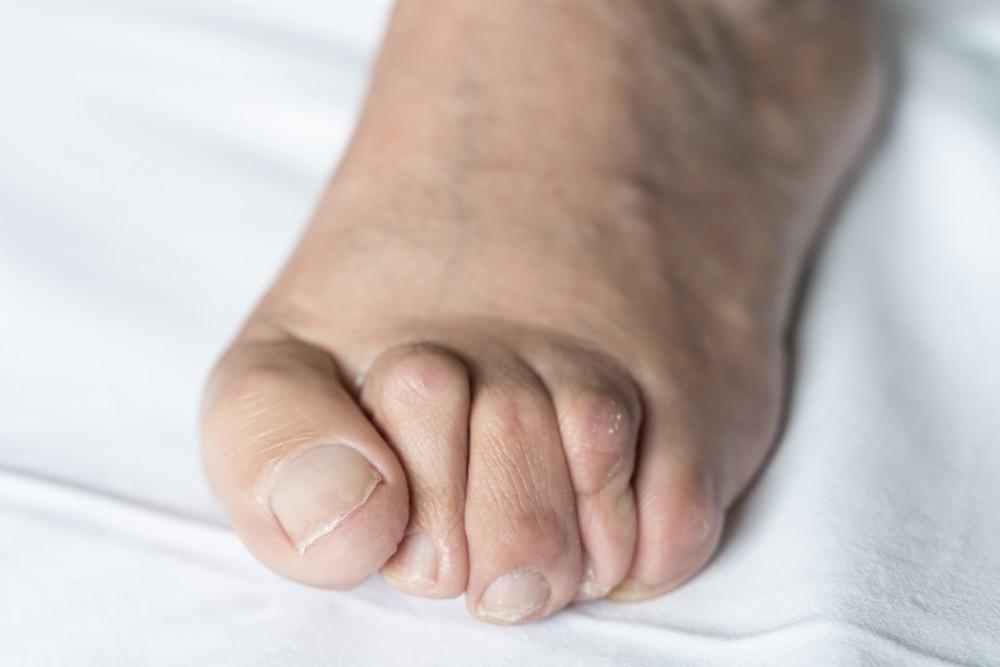
If your toe bends downward like a hammer, you know how uncomfortable it can be. Simple tasks, such as walking or even just wearing shoes, can cause constant friction and pain.
At Metropolitan Foot and Ankle Specialists in Aurora, Colorado, Dr. Thomas J. Savage and our team help patients find relief from hammer toes.
Many patients wonder when they should transition from conservative care to surgery. With hammer toes, we always start with noninvasive options such as custom orthotics, padding, or footwear changes.
However, when conservative treatments no longer help you move comfortably, surgical intervention may be an option to restore your mobility.
We only recommend surgery when your hammer toe significantly disrupts your daily life. A true hammer toe is a progressive biomechanical issue. Over time, a flexible toe can become rigid.
If the bend of your toe becomes permanent and causes chronic pain or open sores, conservative care is often no longer enough. This is important because we don’t perform this surgical procedure for cosmetic reasons.
Major podiatric guidelines strictly advise against operating on any foot deformity purely to improve its appearance. The structural risks of foot surgery are too high to justify using it without functional pain.
For example, a report notes that one type of surgery, Weil osteotomy, carries a 15%-68% rate of resulting in a permanent floating toe. That means your toe doesn’t touch the ground.
Open vs. minimally invasive surgery
If you and your podiatrist decide on surgery, the next step is choosing the right technique. We offer advanced surgical options, including minimally invasive surgery and traditional open procedures. The choice of technique can significantly impact your recovery.
A 2025 study compared open and minimally invasive surgery. Patients who had open surgery experienced six cases of bone non-union, meaning the bones failed to fuse. In contrast, those who had minimally invasive surgery experienced zero cases of non-union.
The study also found that open surgery led to seven cases of impaired wound healing. The minimally invasive group had only one case.
Minimally invasive techniques use tiny incisions that preserve the local blood supply. That helps your bones and tissues heal more reliably.
At our office, we tailor your treatment plan to your anatomy. Our team thoroughly evaluates your foot structure and lifestyle needs before recommending any procedure.
We focus on relieving your foot pain using the most conservative methods first. If surgery is necessary, we walk you through every step of the process. That includes choosing the right surgical method and guiding your postoperative recovery.
Our goal is to get you back on your feet safely and comfortably.
You don’t have to live with chronic foot pain or stiff, chafing toes. If conservative treatments no longer work for you, it may be time to discuss your surgical options. To learn how we can help you regain your mobility, schedule a visit with our team today.

